
Why I Read (slowly)
Reading sucks... and yet I keep doing it
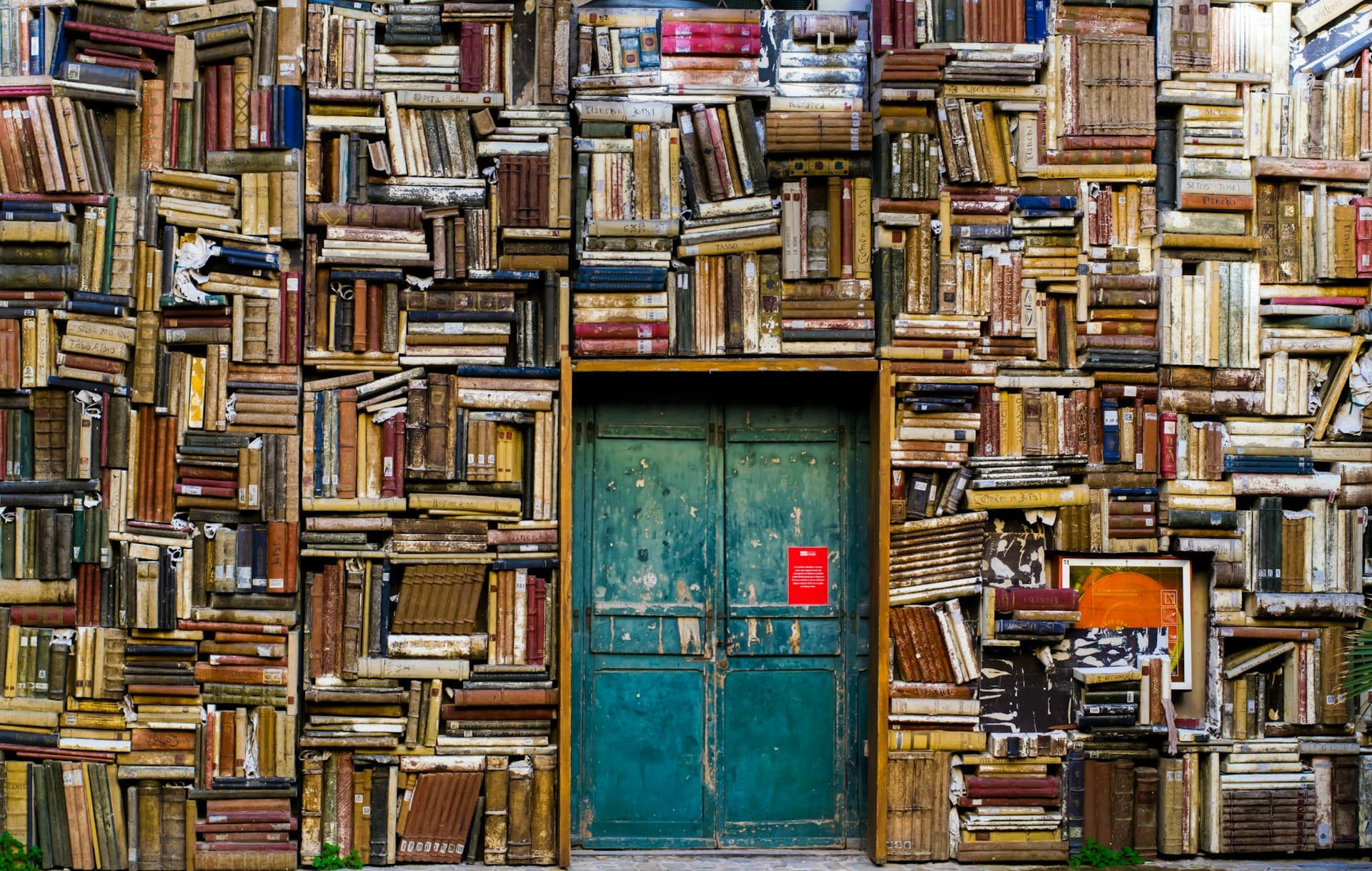
Photo by Eugenio Mazzone on Unsplash
After having our first kid, I switched from reading to audiobooks - and since having our second kid, I've slowed down on even that. Recently, I started reading physical books again, and reflecting on the purpose and experience of reading.
Having two young kids and being a startup founder, I'm busier than ever, yet when I started sitting down with a physical book again, I discovered that there was something essential about the act of reading that I had missed with audiobooks, podcasts, and other online media.
Yes, even in an age where I can ask ChatGPT to summarize a book for me in any level of detail, it's been refreshing to get back into reading.
Why I like reading
I want to develop my own thinking on the world. Both for practical purposes (so I make better predictions and have better understandings of how things work), and for spiritual purposes (doing a better job of holding on to peace). And hopefully when I figure things out, I can pass them on to those around me. Reading is engaging with others who've tried to do the same, and it seems like the best way to make progress on this task.
Finally, I think it's enjoyable in the way that doing anything difficult can be enjoyable. A happiness built on doing hard things seems more lasting than the alternative.
What I've been reading
These days I read mostly non-fiction, falling into two camps:
-
Practical books on engineering, entrepreneurship, productivity and parenting
-
Philosophy - especially those authors that have played a major role in shaping our modern world
The benefit of books in the first camp are fairly obvious - learn tactical tips from what others have figured out, get better at life.
The second category of book are books that are less commonly read, and I've been working out my own understanding of why I read them, despite their often high degree of difficulty (for me at least).
A few of the books in this category I've enjoyed in the past two years:
- The Protestant Ethic and the Spirit of Capitalism - Weber
- Awaiting God - Weil
- The Society of the Spectacle - Debord
- Mythologies - Barthes
- The Burnout Society - Byung-Chul Han
(Find the rest on Goodreads)
Musings on AI
There's a theory that I find fascinating, that programming is really about constructing a theory in your mind (Peter Naur, 1985), not the actual code that gets written and executed.
I think the same applies to reading. I go about my days running other people's programs - when I watch Netflix, listen to podcasts, read the news, I'm not pausing long enough to build a model in my mind - I'm walking through someone else's pre-made world. Whether I agree or not, I'm interfacing with their values, judgments, and opinions, and when I'm moving fast, I hardly have time to decide if I agree with them or not.
Reading slowly, including philosophy, is more like this idea of creating theories in my mind - wrestling with the text to incorporate someone's theory for how the world works into a coherent whole with my own. When there's something that doesn't sit right with me, I have to stop and figure out whether I agree, and why, before I can continue reading. For example, when reading Baudrillard's Simulation and Simulacra, I had a long conversation with ChatGPT about what the Simulacrum actually is, before coming to the realization that Baudrillard didn't bother to define it because it's actually impossible to pin down what is real. In a way, that's the entire point of the book, but it's a conclusion that's not handed to me - I have to work for it.
That's why in an age where AI can summarize, explain, and even synthesize ideas for us, there's something irreplaceable about the process of reading.